S Corp ReturnRead the draft before you sign.
Steven Palmieri, Tax CFO and the Entrepreneur's CFO, keeps the signature at the end of a set order.
Tell us which page is open
You will be talking to the Steven Palmieri practice.
Name the page, or say which two totals disagree.
The Tax CFO way on an unsigned draft.
The draft on the table already counts a year that happened. Steven Palmieri, the Tax CFO, reads that draft in order with you and decides what the next return should change, before this signature is used. Signing stays the last line.
Your name on the K-1
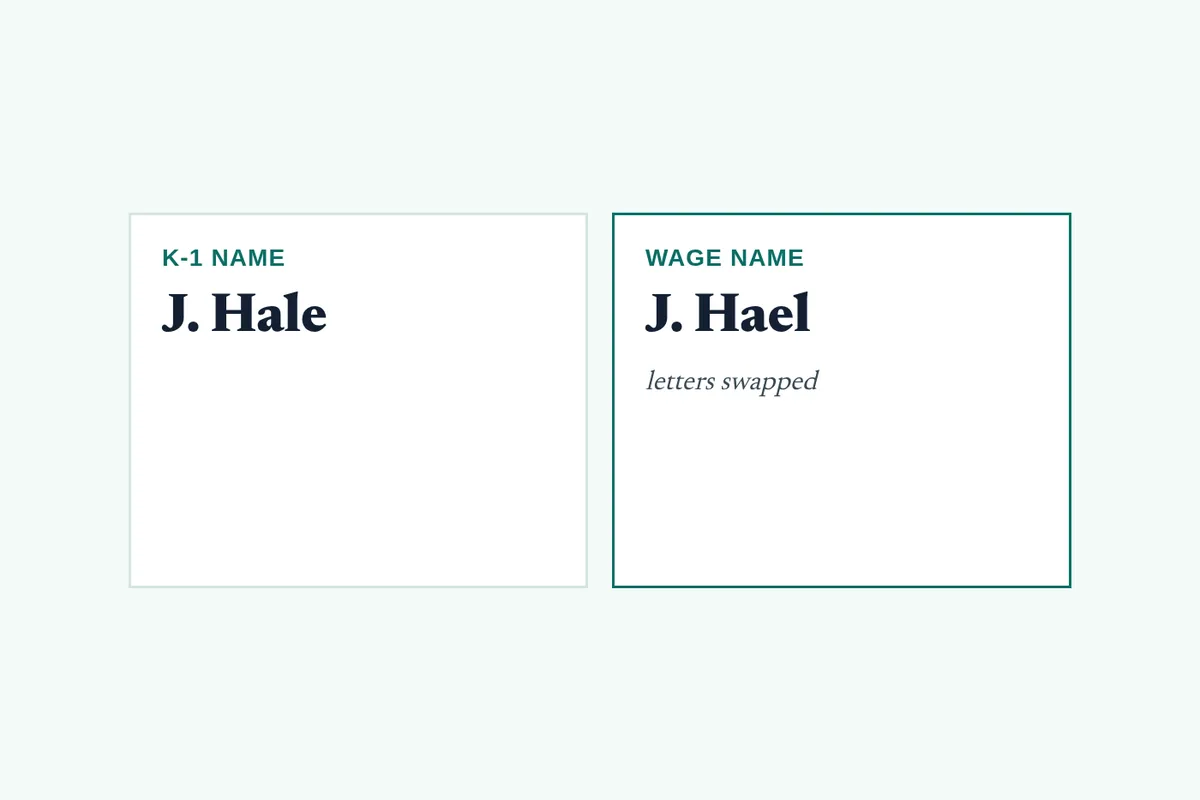
The draft is early if that name is missing or spelled differently from the wage form.
Click to see the name check ›Tap to see the name check ›The order we use
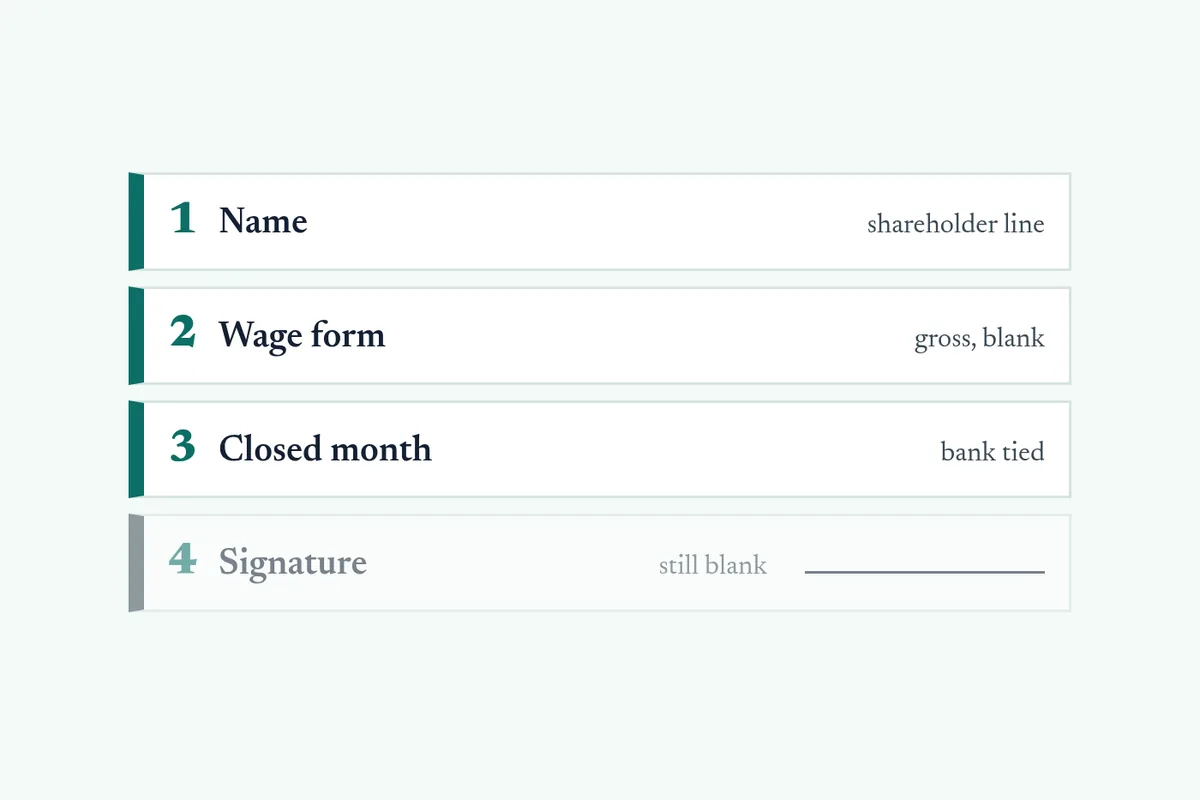
Name, wage form, closed month, then a signature. That sequence is the visit.
Click to see the order ›Tap to see the order ›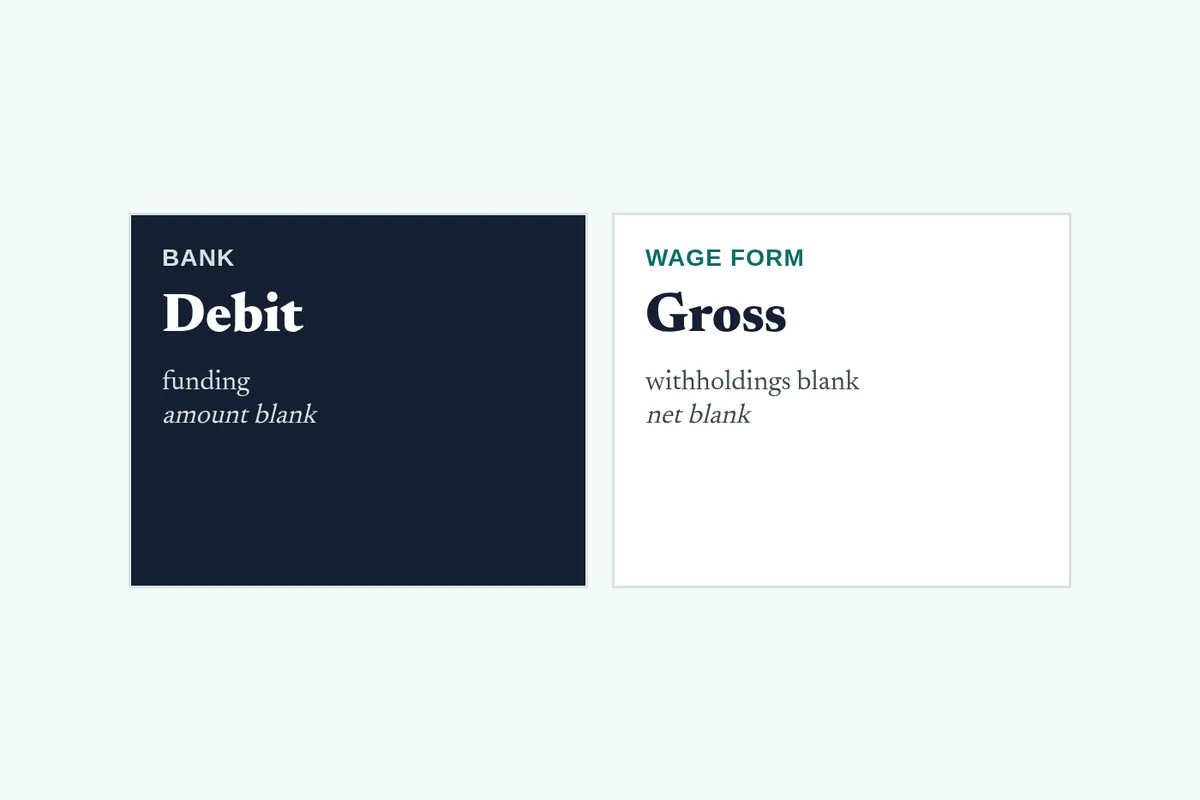
Wage form beside payroll
A debit to the provider is the funding. The wage form is the gross.
Click to see the pair ›Tap to see the pair ›A date is a separate fact
The federal due date does not close a month, and it does not print a wage form.
Click to see the difference ›Tap to see the difference ›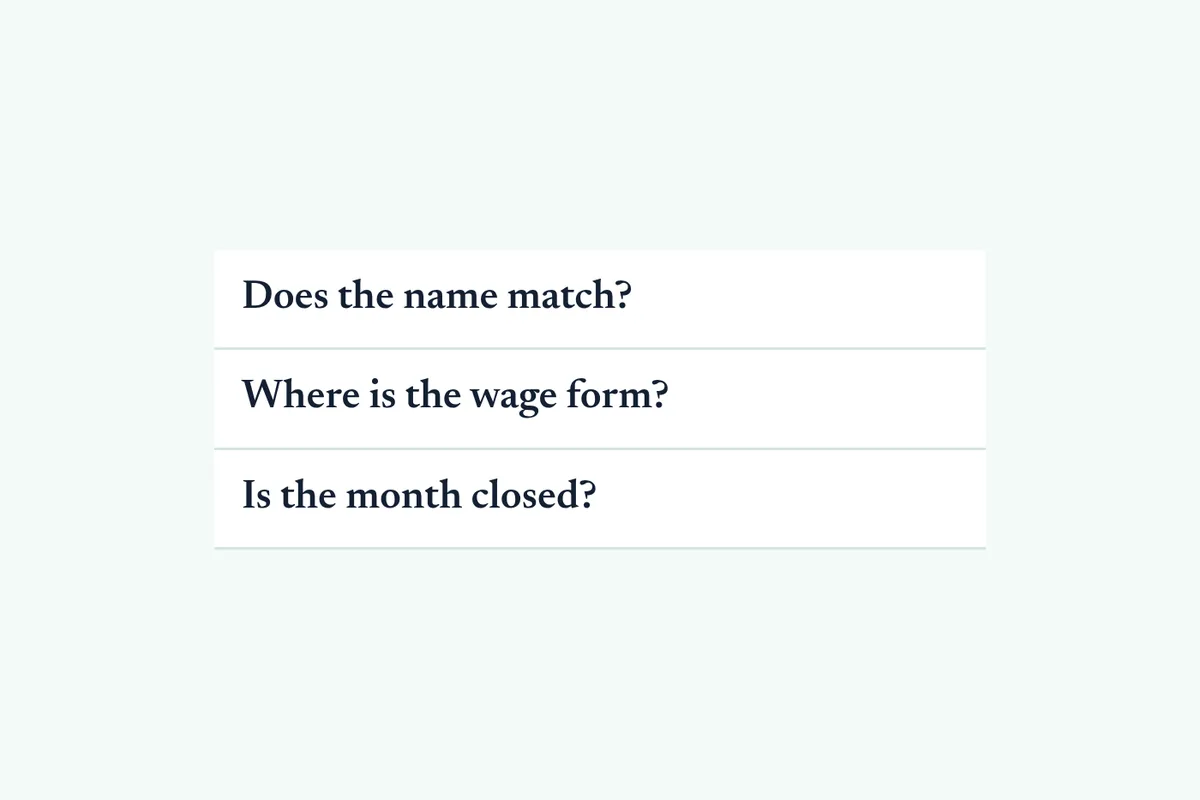
Questions we hear
The form can carry one doubt about the stack.
Click to open the questions ›Tap to open the questions ›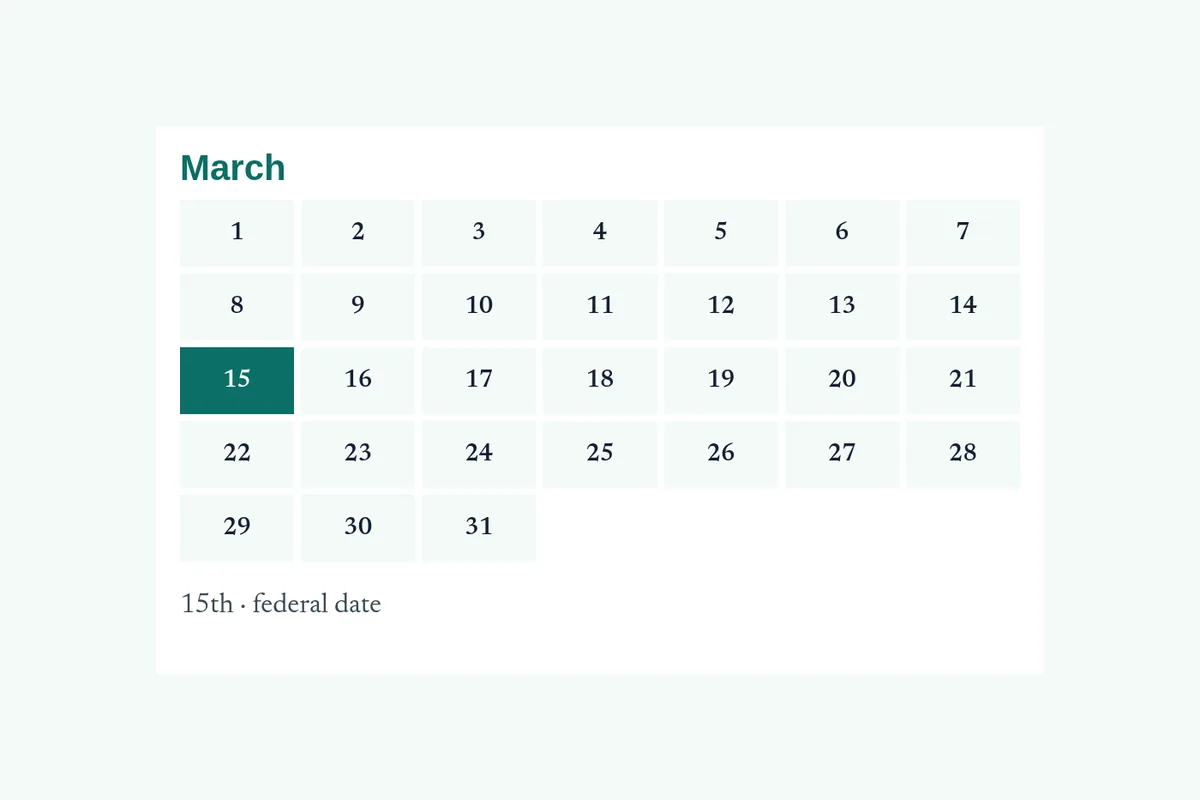
Who answers the phone
Steven Palmieri picks up.
Click to meet the practice ›Tap to meet the practice ›Six reasons a draft waits
Open one trouble from a real draft. The card names what we do with it and the fact that keeps the signature waiting.
1The name on the K-1 and the wage form differ by one letter.
We stop at the name.
Two spellings mean the shareholder page and the wage page are not the same person yet. The signature waits until they match.
2The software printed the draft and the month is still open.
We wait for the close.
An open month can still move wages, money taken out, and the profit the draft already printed.
3The bank shows a debit to the payroll provider and no wage form is in the stack.
We ask for the wage form.
That debit is cash sent so the provider could pay. The gross lives on the wage form.
4Money moved to a personal account and someone called it pay.
We split the piles.
A transfer is money taken out. Pay runs through the provider. The return keeps those piles apart.
5The federal date is close and the books are a blended lump.
We separate the lump first.
The wall calendar cannot tie the bank. Money put in, money taken out, and what prior years left behind need different accounts.
6The company exists and the personal return has no K-1.
We look for the missing page.
An S corporation still has to hand each shareholder a K-1. A personal return without that page is unfinished.
Why the name comes first
An S corporation draft is a bundle of pages that software can print while the books are still moving. The page with your name on it is the K-1. The wage form has a name too. We put those two strings next to each other before we talk about profit, money taken out, or a signature.
A missing name is a stop. A name that is off by one letter is also a stop. The shareholder who owns the company and the person on the wage form have to be the same person in the draft. If they are not, the personal return will be looking for a page that does not match.
There is a second version of the same problem. The company exists, someone says a return was prepared, and the personal return has no K-1 at all. That is not a small company. That is a missing page. We look for it before anyone treats the personal return as finished.
We do not memorize line numbers from last year's instructions. The current form tells us where the name sits. What we will not skip is the comparison. Two documents, two names, one shareholder.
Why the bank debit is not the wage
Owners often point at the bank and say the wages are right there. What is right there is a debit to the payroll company. That debit is cash the company sent so the provider could pay people. It is funding. The gross pay, the withholdings, and the net are on the wage form.
We set the provider up in the owner's name. The owner runs payday. We do not run payday. When the month closes, we map the wages into the books from the wage form and from the provider's reports, not from the size of the bank debit alone.
A draft that shows a K-1 and no wage form can look complete. Some parts of the personal return look at wages the company actually paid. A printout with profit and no wages is a shape we question, not a shape we sign. We ask for the wage form. If there truly were no wages, that fact has to be faced while the year can still be changed, not after the draft is locked.
A Friday transfer from the company to a personal account is a different event. People call it pay because it feels like pay. On the draft it is money taken out. Pay runs through the provider and lands on a wage form. Mixing the two is how a return reports the wrong pile.
Three piles that software likes to blend
The return does not report one lump called equity. It reports money the owner put in, money the owner took out, and what prior years left in the company. Those are different facts with different effects. A file that nets the first two into one account can still balance. The total equity can look fine. The draft can still be wrong.
Money put in includes cash the owner transferred to the company and company bills the owner paid personally. Money taken out includes cash to the owner, personal spending the company paid, and the owner's personal tax paid by the company. What prior years earned and did not distribute sits in its own place. We keep the three apart in the books before a draft is printed.
Those two moving accounts often do not reset themselves at year end. The balance on the screen can be every year piled together. The return wants this year's movement. We take the activity for the year, not the lifetime total. Using the lifetime total overstates what happened in the year the draft is about.
A personal bill paid by the company is the example owners feel. The receipt is real. The shop needed nothing from that purchase. We park it with money taken out, not with supplies. The receipt still matters. It tells us the direction of the money. It does not tell us to call the purchase a company cost.
What a month with us looks like
We call the month finished only after the statement and the bank agree, the provider's payroll has landed in the books, and the three piles above have stayed apart. Statements come from that close. The draft of the return comes from those statements. We do not build the draft from a download of the bank and a guess. Steven Palmieri picks up, carrying Tax CFO together with the Entrepreneur's CFO, and the job after a finished month is the return.
Steven Palmieri handles the year. Tax CFO is one title on it. The Entrepreneur's CFO is the other. Once the provider is in place, payday belongs to the owner. From there the month is finished, statements are printed, and the return is built while a choice can still change the draft.
The visit is a video call, the books opened between us, and a time you pick on the calendar. You do not have to be in any particular city. The federal dates on an S corporation return are the same in every state. What changes from one owner to the next is the stack, not the map.
A poor fit gets said out loud, early. Reports that carry assurance sit outside this practice, and that refusal is spelled out in the practice's own words on the disclosures page. The form can open the file with a single sentence about the draft. One page of the draft, or one sentence about what disagrees, is a complete first message.
From Steven Palmieri.

Tax CFO for an unsigned draft.
Beside this portrait, the practice is Steven Palmieri, with Tax CFO and the Entrepreneur's CFO both in use. The month gets finished, the owner presses payday on a provider we put in place, and the return comes from that finished month.
Send the page you are stuck on
You will be talking to the Steven Palmieri practice.
One page of the draft is enough. Say what you want the month to show.